News
Here, we regularly share articles about metal forging, including how the process works, news and updates from top forging companies, and trends in the industry. Whether you’re a professional, an enthusiast, or a business looking to stay informed, our column gives useful knowledge, practical tips, and industry insights to help you stay connected and up to date in the world of metal forging.
61-72 of 126 results
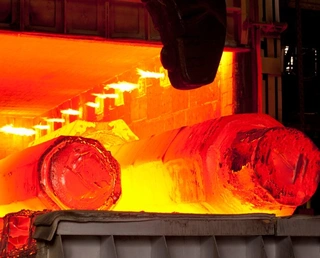
Carbon Steel and Alloy Steel Forging Technology
Feb 12, 2026
20
This comprehensive guide details the forging of carbon and alloy steels, covering raw material selection, forging classifications, temperature control, and process types including hot, warm, and cold forging. It explains how forging refines microstructure, repairs defects, controls metal flow, enhances mechanical properties, reduces subsequent machining, and emphasizes forgeability for different steel grades. The article also highlights special steel considerations and the evolution of forging from historical practices to modern, precise, and efficient industrial methods, demonstrating its critical role in producing high-performance components.
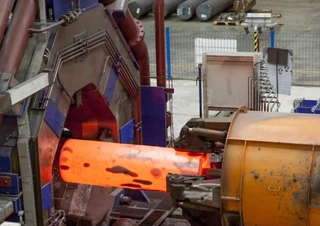
Guide to Rotary Forging Technology in Precision Manufacturing
Feb 10, 2026
68
Rotary forging is an advanced precision forming process that combines rotational movement with high-frequency radial impacts to gradually shape metal into high-accuracy components. Widely used across industries such as automotive, machinery, energy, and defense, the technology offers outstanding advantages including superior deformation quality, excellent surface finish, high production efficiency, and broad material adaptability—from conventional steels to refractory metals. While the equipment requires significant investment and technical expertise, rotary forging enables complex designs, improves product reliability, optimizes manufacturing efficiency, and supports the shift toward high-quality, intelligent manufacturing.
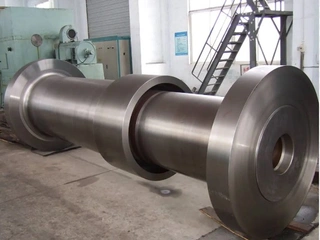
A Comprehensive Guide to Hollow Shaft Forging Technology
Feb 06, 2026
434
Hollow shaft forging is an advanced metal forming process that uses heat and pressure to produce lightweight tubular components with high strength and durability. This article outlines the complete manufacturing workflow, from material selection and heating to forming, heat treatment, finishing, and quality inspection, while exploring major forming methods such as radial forging, rotary forging, extrusion, and internal high-pressure forming. It also highlights the key advantages of hollow shafts over solid shafts, including reduced weight, improved dynamic performance, better heat dissipation, and efficient material use.
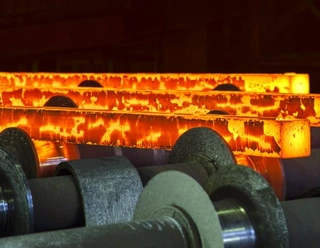
Tempering of Metal Forgings: Principles, Objectives & Types
Feb 03, 2026
101
Tempering is a critical post-quenching heat treatment for forgings that relieves internal stress, refines microstructure, and balances hardness and toughness. This process enhances plasticity, fatigue resistance, and machinability while reducing the risk of hydrogen embrittlement and brittle fracture. Depending on temperature, tempering is classified as low, medium, or high, each producing distinct microstructures such as tempered martensite, troostite, or sorbite. The process also involves phenomena like secondary hardening and potential temper brittleness, which require careful control.
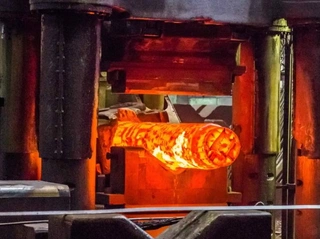
What Is Flow Line in Steel Forgings
Feb 02, 2026
55
Forging flow lines are directional fiber structures formed during plastic deformation that directly influence the mechanical properties, strength, and service life of forged components. This article explains the basic concept and formation process of flow lines, their role in creating anisotropy, and the importance of aligning flow direction with working stresses. It also examines the differences between forging and casting, common flow line defects and their causes, inspection methods, and practical optimization techniques.
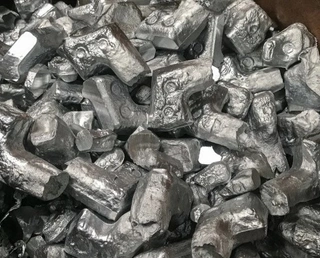
Coarse Grain Formation in Aluminum Alloy Forgings
Jan 30, 2026
54
This article provides a systematic analysis of coarse grain formation in aluminum alloy forgings, explaining its microstructural mechanisms, associated performance risks, and key influencing factors. It examines the effects of forging parameters, raw material quality, heat treatment practices, die design, and equipment control on grain growth behavior. Based on practical manufacturing experience, the paper outlines effective prevention and control strategies, emphasizing integrated process optimization and full-cycle quality control to improve the mechanical performance, reliability, and service life of aluminum alloy forgings used in high-end industrial applications.
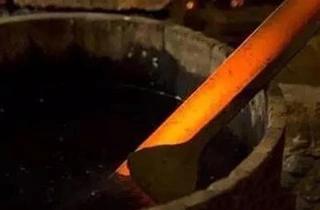
Quenching Cracks in Forgings: Causes, Solutions & Prevention
Jan 26, 2026
11
This article presents a comprehensive analysis of quenching cracks in forgings, explaining their definition, characteristics, and underlying causes from the perspectives of raw material quality, structural design, heat treatment parameters, machining defects, and residual stress. It further outlines practical and systematic prevention strategies, including optimized material selection, rational component design, precise control of quenching and cooling processes, improved machining quality, timely tempering, and strengthened production management.
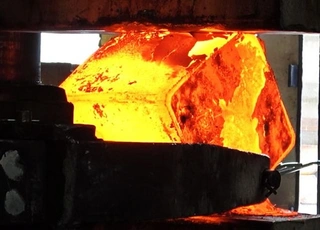
Types and Applications of Steel Forgings
Jan 23, 2026
19
This article provides a comprehensive overview of steel forgings, examining their classification, forming processes, and wide-ranging industrial applications. It explains how steel forgings, produced through controlled plastic deformation, enhance material strength, toughness, and reliability, making them essential for high-load and safety-critical components. By outlining forging types based on processing temperature, industrial sectors, and advanced forming techniques, the article highlights the critical role steel forgings play in aerospace, automotive, energy, mechanical manufacturing, and medical industries, while emphasizing their continued importance in modern industrial development.
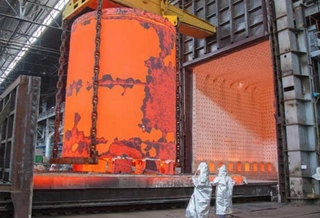
Large Steel Forging Production: Challenges & Quality Control
Jan 22, 2026
16
Large steel forgings are critical components in industrial equipment, from nuclear reactors to heavy machinery. Their production involves complex processes, including smelting, ingot casting, solidification, forging, and heat treatment, each requiring precise control to prevent defects. Manufacturers face challenges in raw material selection, equipment and mold management, process control, quality inspection, transportation, and skilled labor.
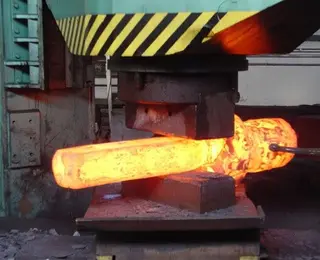
Open Die Forging in Modern Industry
Jan 19, 2026
40
Open die forging is a traditional yet vital metalworking process widely used in heavy machinery, aerospace, energy, and medical industries. By plastically deforming heated billets between dies, it produces high-quality forgings with superior mechanical properties, eliminating defects common in casting. This method encompasses key operations such as upsetting, drawing out, punching, bending, cutting, twisting, shifting, and forging welds, offering flexibility, low equipment requirements, and adaptability for single-piece, small-batch, and large-scale components.
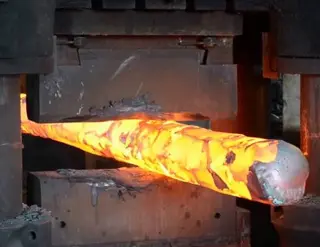
Stainless Steel Forging Quality Inspection
Jan 15, 2026
32
This article provides a comprehensive overview of stainless steel forging quality inspection, detailing mechanical property tests, non-destructive testing, macro and microstructure analysis, and chemical composition evaluation. By combining these methods, manufacturers can accurately assess internal quality, detect potential defects, and ensure the reliability and safety of critical machine components in modern industrial applications.
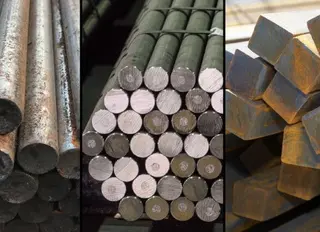
Materials for Forging: Properties and Applications
Jan 13, 2026
12
This article provides a practical overview of forging material selection, focusing on carbon steel, alloy steel, stainless steel, and aluminum alloys. It explains how chemical composition, impurities, and alloying elements influence strength, toughness, corrosion resistance, and weldability, while highlighting the role of forging processes in optimizing material performance. By linking material properties with manufacturing and service conditions, the article offers clear guidance for choosing the most suitable forging materials to ensure reliability, efficiency, and long-term performance in industrial applications.
Total 126 Records, 12 records per page